


How to Clean a Wool Rug at Home (Without Ruining It)
A good wool rug can last for decades. Wool fibers have a natural crimp and a protective outer layer that help them resist dirt, bounce back from footsteps and hide everyday soil better than most synthetics. But wool is also a natural, protein-based fiber, much like your own hair, so the wrong cleaner, too much water or too much heat can do real damage.
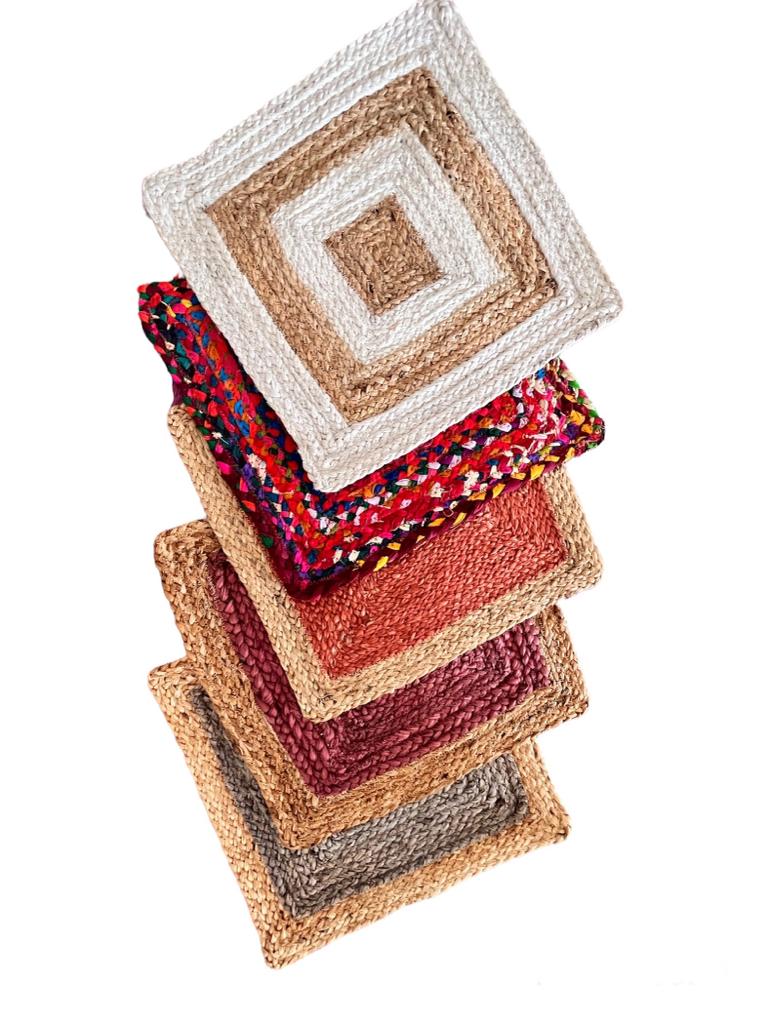
This guide walks you through a simple routine for keeping a wool rug clean at home, what to do when something spills, and when it is smarter to hand the job to a professional. If you own a jute rug as well, see our companion guide on how to clean a jute rug without damaging the natural fiber, because the rules for jute are quite different.
First, Know What Kind of Wool Rug You Have
How you clean a wool rug depends on how it was made. Check the label or product page before you start:
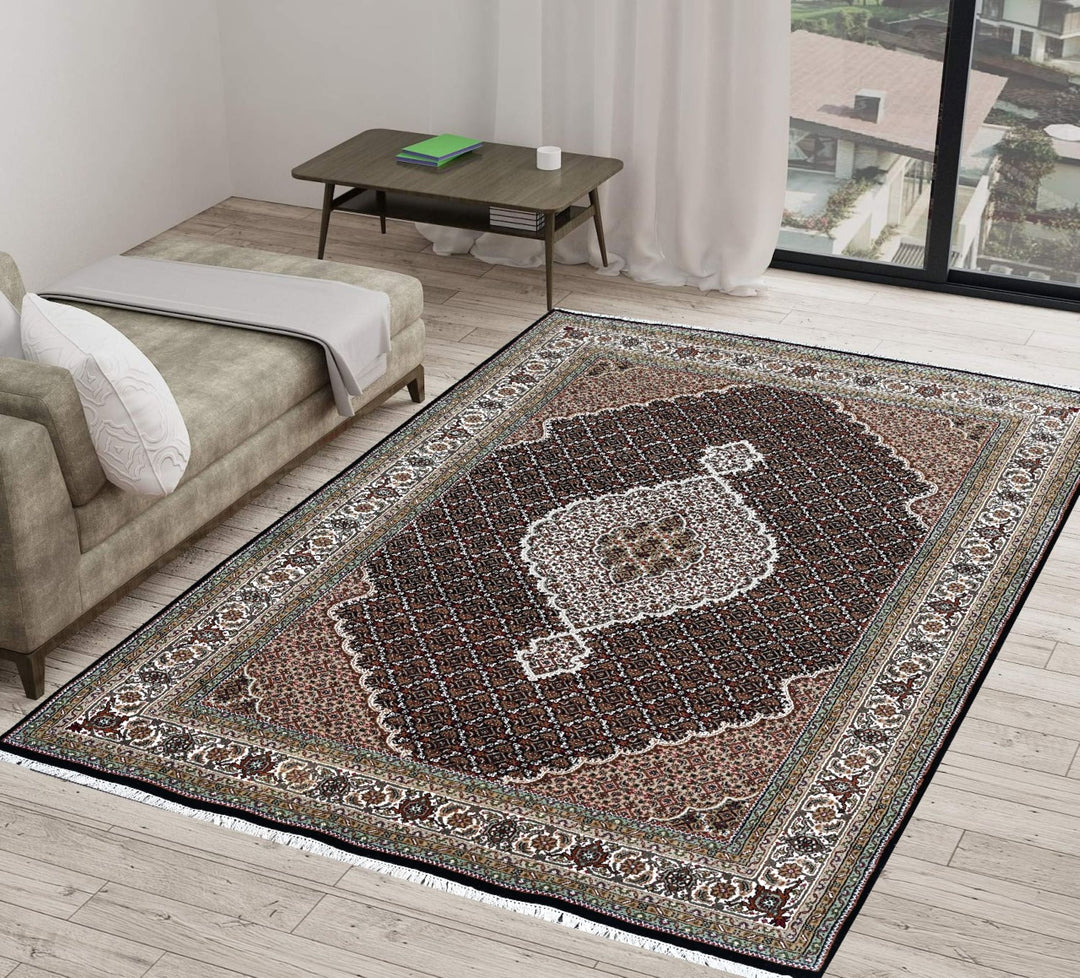
- Hand-knotted wool rugs (like Persian-style Serapi, Kashan or Tabriz designs) have every knot tied individually to the foundation. They are very durable and tolerate gentle cleaning well. Browse our hand-knotted rug collection to see examples.
- Hand-tufted wool rugs have yarn punched through a canvas backing that is held in place with latex and a cloth backing. They should never be soaked, because excess water can weaken the backing. See our hand-tufted rugs.
- Wool and silk or viscose blends look beautiful but are the most delicate. Viscose (often sold as art silk or silk-touch) loses strength when wet and can yellow or watermark, so these rugs should be spot cleaned very lightly and professionally cleaned for anything more.
Not sure which construction you have? Our guide on hand-knotted vs. hand-tufted rugs explains how to tell them apart by looking at the back of the rug.
Step 1: Vacuum the Right Way (Weekly)
Regular vacuuming is the single most important thing you can do. Grit that settles deep in the pile acts like sandpaper on the fibers every time someone walks across the rug.
- Turn off the beater bar or use suction only. A spinning brush roll pulls at wool fibers, causes extra shedding and can fray the fringe.
- Vacuum in the direction of the pile. Run your hand across the rug; the smooth direction is the way the pile lies.
- Skip the fringe. Vacuuming fringe tangles and breaks it. Use a soft brush instead.
- Do the back a few times a year. Flip the rug and vacuum the underside to loosen grit that has worked its way down.
Some light shedding is normal for new wool rugs, especially hand-tufted ones, and usually settles down over the first few months of regular vacuuming. Trim any sprouting loose ends with scissors. Never pull them.

Step 2: Handle Spills Immediately
Wool resists stains well if you act fast. Liquid sitting in the pile is what turns a spill into a stain.
- Blot, never rub. Press a clean white cloth or paper towel onto the spill and lift. Rubbing pushes the liquid deeper and roughens the fibers.
- Work from the outside in so you do not spread the stain.
- Rinse with cool water. Dampen a cloth with cool water and blot again. Avoid hot water, which can set stains and shrink wool.
- Use a wool-safe cleaner if needed. Mix a few drops of a clear, pH-neutral wool wash or mild dish soap into cool water, dab it on, then blot with plain water to remove the soap residue.
- Dry it quickly. Press with dry towels, then let the spot air-dry with a fan. Do not walk on it until it is fully dry.
For solids like mud or food, let mud dry completely and then vacuum it, and scrape up food gently with a spoon before blotting.
What NOT to Use on a Wool Rug
- Bleach or oxygen bleach (oxi) cleaners. These break down wool protein and can strip color.
- High-alkaline products such as laundry detergent, ammonia or many general carpet shampoos. They can cause dye bleeding and leave fibers brittle.
- Steam cleaners and hot-water extraction machines at home. Heat and heavy moisture can shrink wool, cause dyes to run and damage tufted backings.
- Too much water. A soaked wool rug dries slowly, which invites mildew, odor and browning.
If you buy a store cleaner, look for products certified by The WoolSafe Organisation, an independent group that tests carpet care products to make sure they are safe on wool. Always test any product first on a hidden corner.
Step 3: Freshen Up Between Deep Cleans
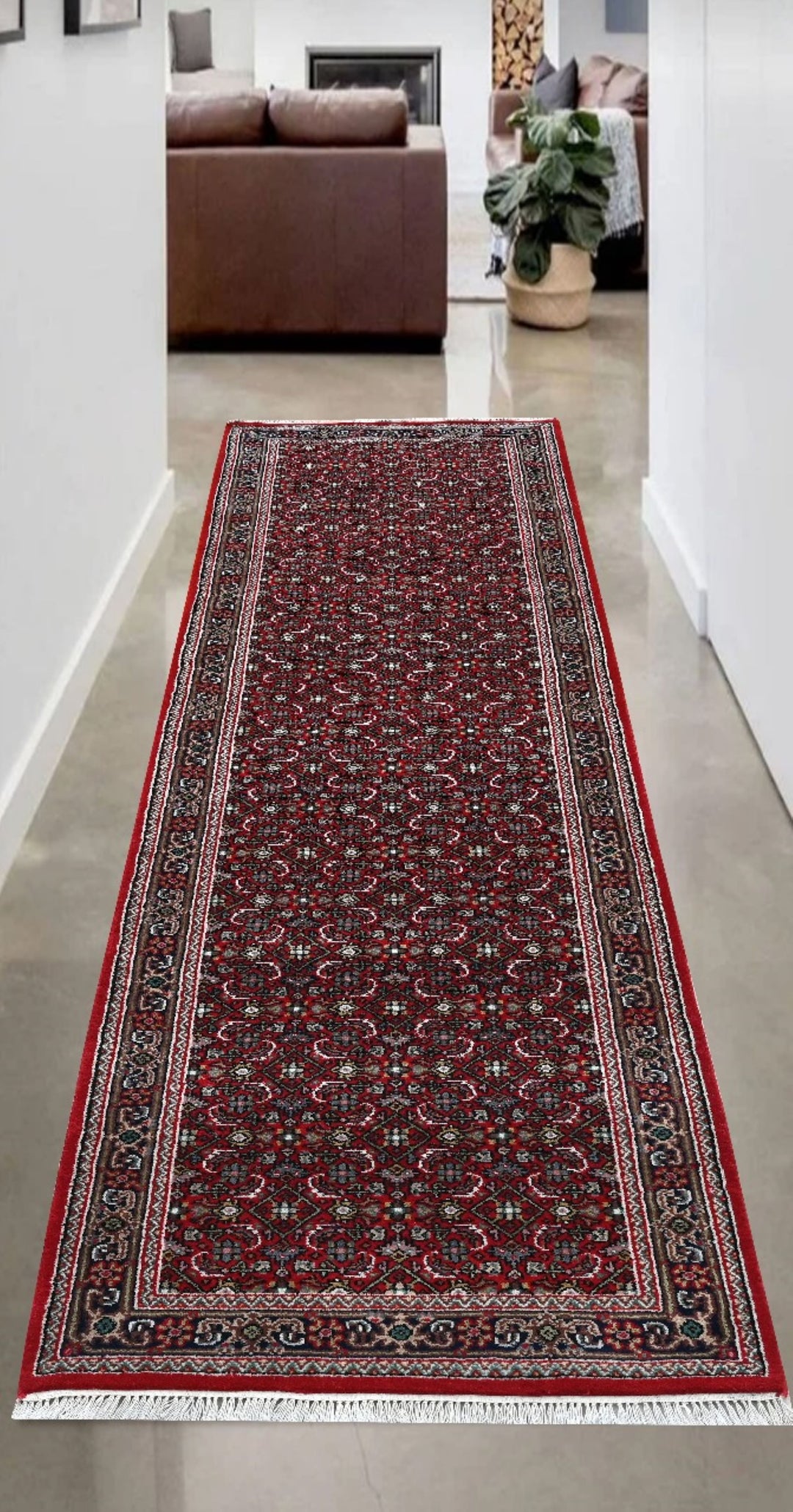
- Rotate the rug every 6 to 12 months so foot traffic and sunlight wear it evenly. This matters most for runners in busy spaces; our hallway runner guide covers placement in high-traffic areas.
- Sprinkle baking soda for light odors, leave it for a few hours, and vacuum it thoroughly (suction only).
- Air it out. On a dry, mild day, hang or lay the rug outside in the shade for a few hours. Avoid long periods of strong direct sun, which fades color.
- Use a rug pad. A good pad reduces friction from the floor, keeps the rug from slipping and helps air circulate underneath.
Step 4: Know When to Call a Professional
Even with great care, most wool rugs benefit from a professional cleaning every 1 to 3 years depending on traffic, pets and kids. Call a pro when:
- The rug has a deep or set-in stain, pet urine, or a lingering odor.
- It is a wool and silk or viscose blend, such as our wool floral rug with silk-touch viscose.
- It is a large, heirloom or one-of-a-kind hand-knotted piece.
- You see signs of moth damage: thin patches, loose tufts or tiny larvae casings, often in dark areas under furniture.
Choose a specialist that offers in-plant rug washing rather than a general carpet cleaner who works on wall-to-wall carpet. In the US, you can look for technicians certified by the IICRC (Institute of Inspection, Cleaning and Restoration Certification), and ask specifically about experience with hand-knotted and tufted wool rugs.
A Quick Wool Rug Care Routine
- Weekly: Vacuum with suction only, in the direction of the pile.
- As needed: Blot spills right away with cool water and a pH-neutral wool cleaner.
- Every 6 to 12 months: Rotate the rug and vacuum the back.
- Every 1 to 3 years: Professional rug washing.
Frequently Asked Questions
Can I wash a wool rug in the washing machine?
No. Agitation and warm water will felt and shrink wool, and most rugs are too heavy for a home machine anyway. Small, flat-woven wool mats are sometimes hand-washable, but always check the care label first.
Can I steam clean a wool rug?
It is not recommended at home. High heat and heavy moisture can shrink fibers, make dyes run and damage the backing of tufted rugs.
Why is my new wool rug shedding?
Loose fibers left over from the making process work their way out with use. It is normal, it is not a sign of a defect, and it typically slows down within a few months of regular, gentle vacuuming.
Is wool or jute easier to keep clean?
Wool handles spills and moisture much better than jute, which can stain and brown when wet. Read our full comparison, wool vs. jute rugs, to decide which suits your home.
A Wool Rug Is Worth Caring For
Handmade wool rugs are made to be lived on. With a gentle weekly vacuum, quick action on spills and an occasional professional wash, a well-made rug will keep its color and softness for many years. If you are shopping for one, learn how to spot an authentic hand-knotted rug, then explore our full collection of handmade wool rugs, including the hand-knotted Serapi wool area rug pictured at the top of this post.